2 hr 30 min
Dryland Mushing with 6-Time Iditarod Champion Dallas Seavey
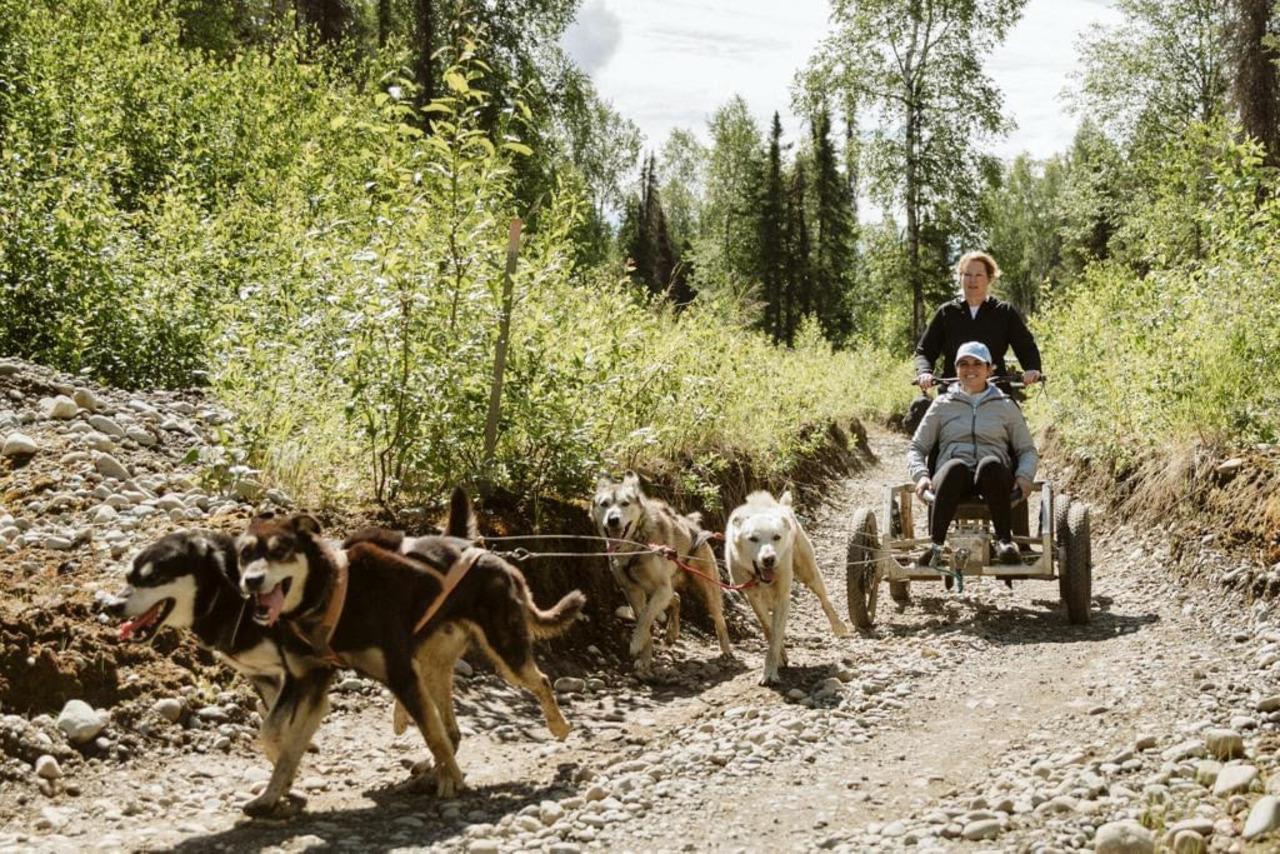
Drive your own husky team through Alaskan wilderness with legendary musher Dallas Seavey's champion dogs
Reserve
Hand-picked by our editors — only the best 5 mushing experiences from 23 reviewed.
Verified partners for every tour, free cancellation where available, and instant confirmation on every booking.
2 hr 30 min
Drive your own husky team through Alaskan wilderness with legendary musher Dallas Seavey's champion dogs
Reserve
2 hr
Drive your own sled through snow-covered trails with a team of eager huskies and meet champion mushers.
Reserve
2 hr 30 min
Drive your own husky team through snowy birch forests and explore a replica Iditarod checkpoint
ReservePrices from verified partners. Availability updates in real time at checkout. Free cancellation policies apply where shown.
The landmarks, rooms, and views travelers on this tour remember — all visible on a single visit.
Visit a simulated race stop where you can learn about the 1,000-mile Arctic competition history.
Pose for a picture under the symbolic finish line used for the famous Iditarod sled dog race.
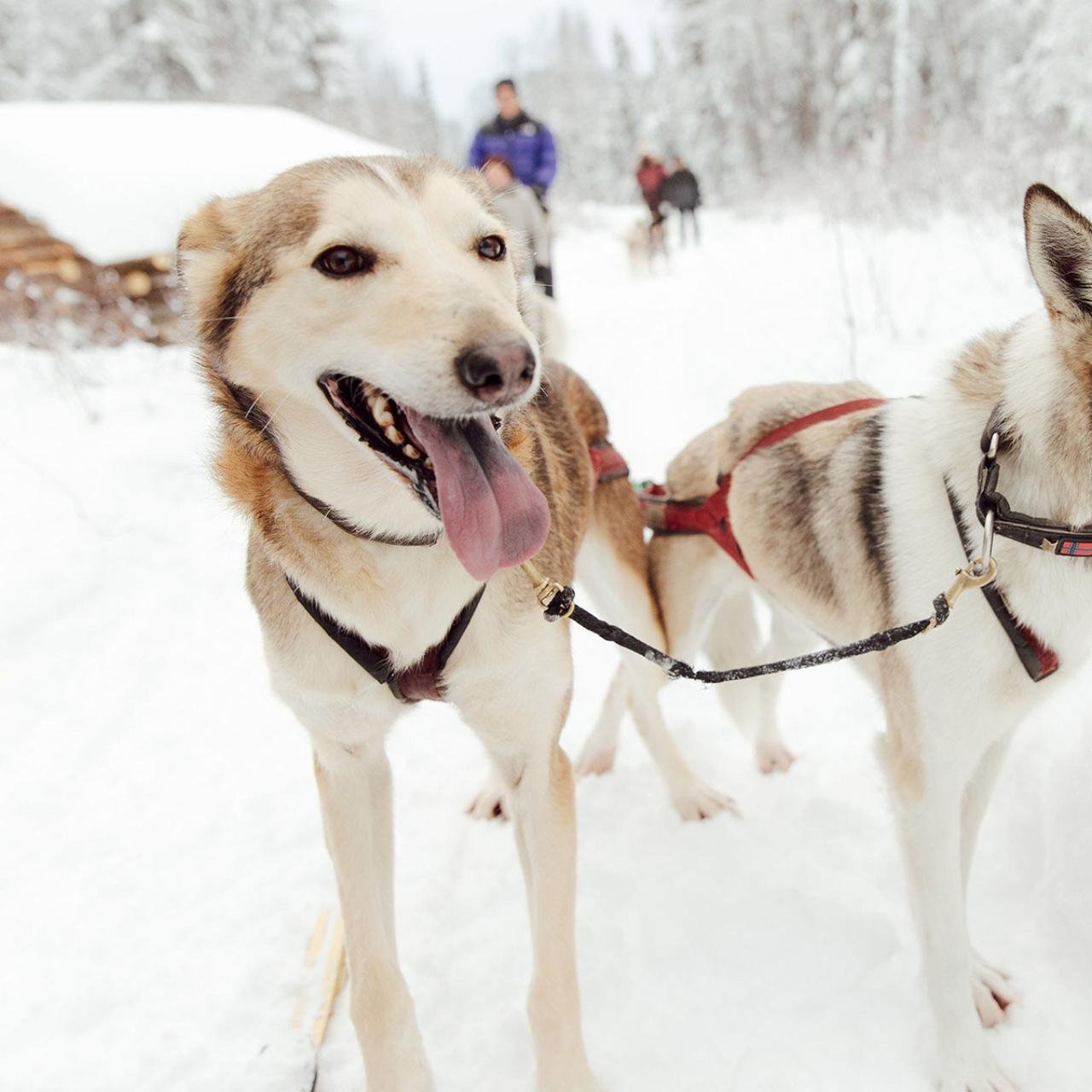
Spend time playing with future racing champions during your visit to the kennel.
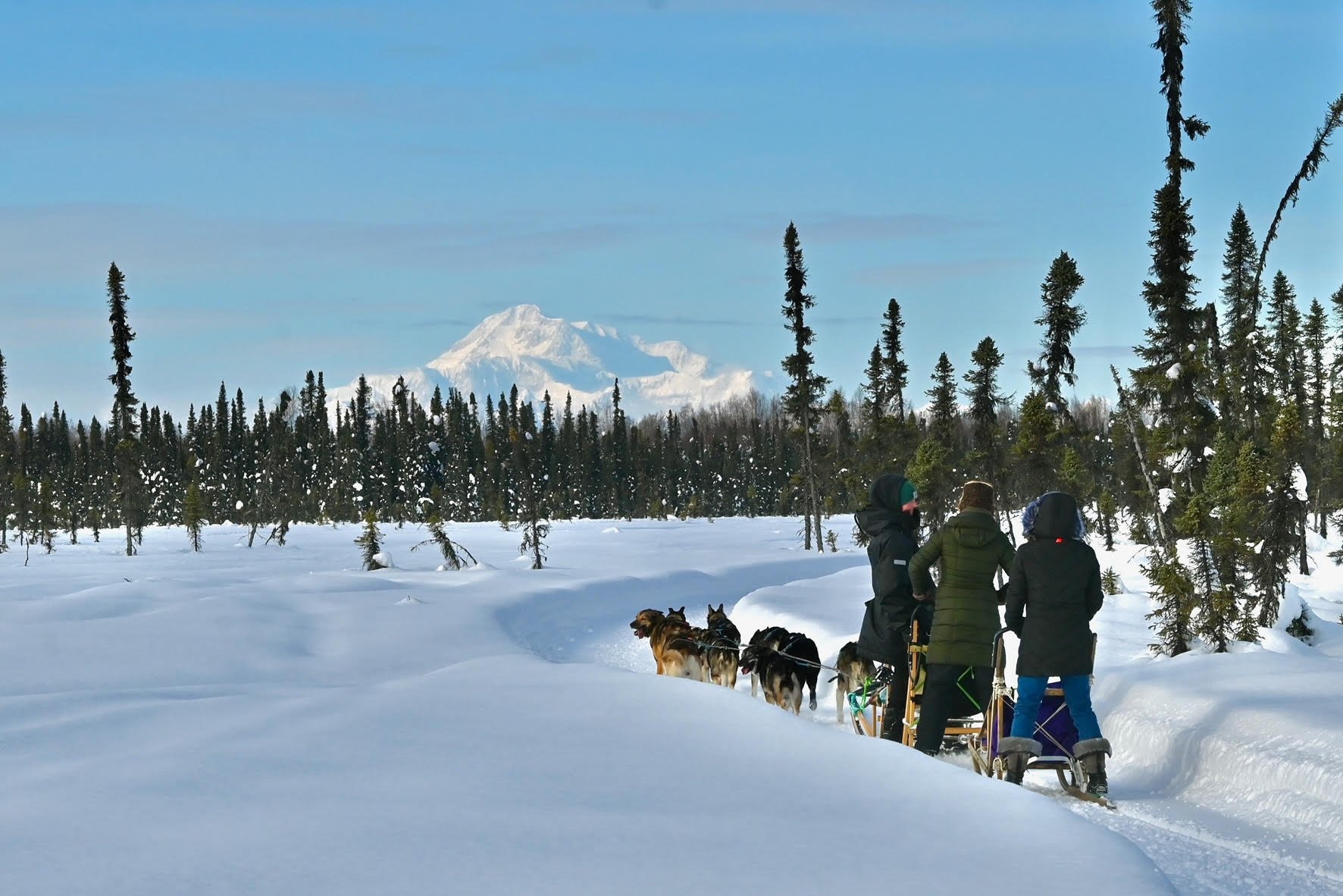
Glide through pristine, snow-covered trails that offer views of the rugged Alaskan wilderness.
Observe how mushers care for their teams and learn about daily life with these elite athletes.
They complement each other; most visitors who do both find the expansive trail systems of a talkeetna winter dog sledding tour to be the more immersive wilderness encounter, while Willow provides a concise introduction to canine training. These talkeetna winter dog sledding tours emphasize backcountry travel, whereas the rival focuses on facility-based demonstrations.
| Feature | Top pick Talkeetna Mushing | Willow Kennel Tours |
|---|---|---|
Duration |
2–4 hours | 1–2 hours |
Wilderness vs Kennel Setting |
Remote backcountry trails | On-site kennel property |
Physical Intensity |
Moderate to high | Low to moderate |
Logistical Travel Time |
Minimal travel from town | 30–45 minute drive |
Core Focus |
Long-distance sled team operation | Husbandry and sprint training |
Cost |
Paid guided tour rates | Paid guided tour rates |
| See tickets → |
Verdict: Choose the Talkeetna experience for extended trail time and deep immersion, or select Willow when seeking accessible, high-frequency talkeetna winter dog sledding tickets for a shorter itinerary.
Choose your ticket, select your date, and reserve in under two minutes. Secure checkout handled by our verified partner.
Instant confirmation by email, with a mobile voucher you can save offline. No printing, no queuing at a collection desk.
Arrive at the entrance, show your voucher on your phone, and walk in. Most tickets include priority or skip-the-line access.
Practical details for your visit straight from our verified partners — hours, access, rules, and how to get there.
Dress in multiple warm layers, including a thermal base, fleece or wool mid-layer, and a wind-resistant or waterproof outer shell. Insulated winter boots, warm mittens, and a hat are essential for every talkeetna winter dog sledding excursion.
Keep belongings minimal and secure them in your pockets or a small crossbody bag. Your talkeetna winter dog sledding operator may provide storage at the kennel or in their shuttle vehicle.
Photography is highly encouraged during your talkeetna winter dog sledding tour. Guides often pause during the run for you to capture photos of the team and the surrounding landscape.
Most talkeetna winter dog sledding tours occur on uneven, snow-packed terrain and are not wheelchair accessible. Participants should be comfortable walking short distances in cold, wintry conditions.
Children are generally welcome on talkeetna winter dog sledding tours, provided they meet age and weight requirements set by the operator. Contact your specific provider to ensure their sleds can accommodate your family.
Bring high-energy snacks and water for your talkeetna winter dog sledding trip. Some longer expeditions may include light refreshments, but confirm this with your tour operator prior to arrival.
Best time to go, insider tips, nearby landmarks, and the cancellation fine print — flip through to skim what matters to you.
Flexible, no hidden fees.
Most talkeetna winter dog sledding tours offer a full refund if you cancel at least 24 hours in advance. Entrance fee is 0 USD (Free entry; activities are operated exclusively as paid guided tours.)
Talkeetna sits at mile 98.7 of the Alaska Railroad, forty air miles from Denali's south face, and has served as the staging ground for mountaineering expeditions and sled dog training camps since the 1950s. The town's position at the confluence of three rivers—Talkeetna, Chulitna, and Susitna—creates a natural wind corridor that keeps winter temperatures stable enough for working huskies, typically holding between minus-ten and plus-twenty Fahrenheit from December through March. Six-time Iditarod champion Dallas Seavey maintains his kennel here, as do multiple veteran mushers who rotate between competitive racing and visitor programming. Talkeetna winter dog sledding evolved from a necessity into an industry. Before snowmobiles became reliable in the 1970s, dog teams were the primary winter transport for trappers, mail carriers, and supply runs to remote homesteads. The Iditarod Trail Sled Dog Race, established in 1973 to commemorate the 1925 serum run to Nome, elevated mushing from utility to sport. Talkeetna's kennels now breed Alaskan huskies—a landrace rather than a registered breed—selected for endurance, foot toughness, and cold tolerance rather than appearance. A competitive team averages sixteen dogs; tour sleds typically run six to ten, pulling between two hundred and four hundred pounds including passengers and gear. The dryland mushing season runs from late August through snowfall, with wheeled carts replacing sleds on gravel trails. Once snow depth reaches twelve inches—usually mid-November—teams transition to runners. Talkeetna winter dog sledding tours follow trapline routes and old mining roads through spruce and birch forest, crossing frozen ponds and traversing low ridges with sight lines toward the Alaska Range. Morning departures align with the dogs' metabolic peak; huskies generate body heat through exertion, and temperatures above thirty-five degrees require shorter runs to prevent overheating. Handlers carry booties, snacks, and a drag brake—a toothed metal bar the musher steps on to control speed on descents. The kennel operations in Talkeetna are year-round commitments. Each dog consumes roughly two pounds of high-fat kibble daily, supplemented with salmon or beef during training cycles. Puppies begin harness training at six months, learning commands—gee for right, haw for left, whoa to halt—through repetition rather than correction. Retired racers, typically aged ten to twelve, remain in the kennel as mentors for younger dogs and participate in shorter visitor runs. The mushing community here is insular and collaborative; kennels share veterinary transport, coordinate trail grooming with tracked snowmobiles, and maintain a radio network for weather updates and wildlife sightings.

"Before snowmobiles became reliable in the 1970s, dog teams were the primary winter transport for trappers, mail carriers, and supply runs to remote homesteads."
A step-by-step walkthrough of the visit — what you'll see, how long each stage takes, and the details that matter.
You arrive at the kennel as morning light angles across the dog yard, where sixty huskies begin their daily chorus—a rising howl that carries across frozen ground. Your guide, a veteran of fourteen Iditarods, walks you through the team selection. You meet the lead dogs first: a seven-year-old female named Granite and her brother Flint, both bred for decision-making on unmarked trail. The musher explains their lineage as you help clip each dog into its tugline and neckline, feeling the tension build as the team leans forward, eager to run. The sled is a Stumpf basket model, birch runners reinforced with plastic UHMW coating. You step onto the runner bars behind the handlebow, and the musher releases the snub line. The sled surges forward with a jolt, and within thirty seconds the kennel noise fades behind you. You follow a trapline trail that climbs through black spruce, crosses a frozen beaver pond, and opens onto a ridgeline with unobstructed views of Denali's south face, seventy miles distant. The only sounds are the hiss of runners on powder, the dogs' rhythmic panting, and the occasional command called forward. Midway through the run, the musher stops the team for a water break. You walk up the line, offering each dog a handful of snow and a neck scratch. Granite watches you with pale blue eyes, her breath forming clouds in the still air. The return leg follows a different route, descending through birch forest where low branches scatter fine snow across your shoulders. You step on the drag brake twice to slow the sled on a steep grade, feeling the resistance as the steel teeth bite into the trail. Forty minutes after departure, you glide back into the dog yard, where the team circles twice before settling into the cooldown routine.
The operation is open daily from 09:00–18:00.
Talkeetna winter dog sledding has an entrance fee of 0 USD (Free entry; activities are operated exclusively as paid guided tours).
We recommend arriving between 09:00–11:00 to avoid hotter afternoon temperatures and ensure dog comfort.
Yes, many talkeetna winter dog sledding operators accommodate families with children; check specific age requirements with your chosen guide.
Dress in warm, moisture-wicking layers, insulated boots, and mittens for your talkeetna winter dog sledding adventure.
Most operators offer a complimentary shuttle from Talkeetna or provide specific driving directions to their kennel.
Yes, photography is a highlight of talkeetna winter dog sledding, especially during breaks in the birch forest.
It is generally not wheelchair accessible due to the snowy, uneven terrain typical of talkeetna winter dog sledding.
You can typically cancel up to 24 hours in advance for a full refund on your talkeetna winter dog sledding booking.