
English| EUR
Suggested for you
More currencies
Choose a language
Alaskan sled dogs are bred for subzero work, but even these athletes have biological limits. Understanding cold tolerance helps visitors time their kennel tours and appreciate the physiology behind mushing. This guide explains the temperatures working huskies handle, the adaptations that protect them, and what changes when the thermometer drops past -40°F.
Quick answer
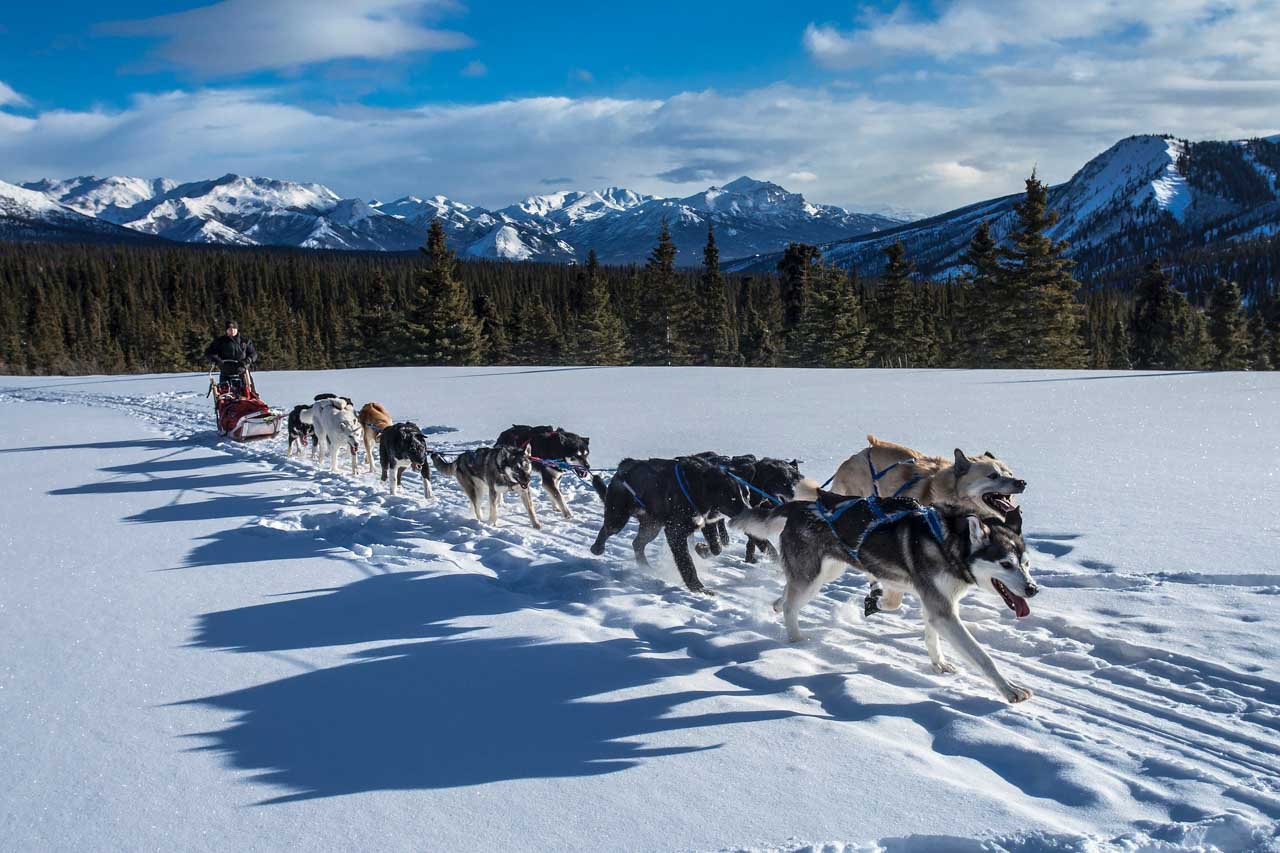
Alaskan huskies work comfortably in temperatures down to -40°F and can tolerate brief exposure to -60°F or colder with proper conditioning and shelter. Their double coat, counter-current heat exchange in their paws, and high metabolic rate during exercise allow them to generate and retain warmth far beyond most breeds. Prolonged exposure below -50°F requires booties, shortened run times, and close monitoring for frostbite on ear tips and paw pads.
A healthy Alaskan husky generates enough metabolic heat during a run to stay warm at -40°F without supplemental gear. The double-layer coat traps air against the skin, creating insulation that remains effective even in wind. Guard hairs shed moisture and prevent snow from reaching the dense undercoat, while the tail curls over the nose during rest to pre-warm inhaled air. Blood vessels in the paws operate as a counter-current heat exchanger, transferring warmth from outgoing arterial blood to returning venous blood so the core temperature stays stable even when standing on ice. How cold can sled dogs handle before performance declines? Most mushers report that dogs remain enthusiastic and strong through -50°F if they are acclimated and the run is active. Below that threshold, energy expenditure to maintain body heat begins to outpace caloric intake, and booties become standard to protect paw pads from ice crystals that form in sustained extreme cold. Ear tips and the thin skin of the sheath or vulva are the first areas to show frostbite, and experienced mushers check those zones immediately after a run in severe conditions. Talkeetna's winter temperatures typically range from -10°F to +20°F, well within the comfort zone for working dogs. Kennels like Sundog remain open for tours through the coldest months, and visitors can watch teams train on snow-packed trails when the thermometer reads single digits. The dogs are visibly more energetic in cold weather than in the marginal temperatures of early spring, and handlers often add straw bedding to doghouses once the overnight low drops below -20°F. Understanding sled dog cold tolerance reveals why Alaska remains the center of competitive mushing—the climate aligns with the breed's evolutionary design, and the season that challenges most mammals is the one in which huskies perform best. Kennel visits in winter offer a clearer picture of working-dog life than summer tours. Dogs are in full coat, the training schedule is active, and the landscape matches the environment these animals were bred to navigate. Sundog Kennel is located in Talkeetna and welcomes visitors daily from 09:00 to 17:00, with the best arrival window between 09:00 and 16:00 for optimal daylight and interaction opportunities. Entry is free; tours and activities require separate booking. Call +19077333355 or visit sundogkennel.com to confirm availability and current conditions.
“A healthy Alaskan husky generates enough metabolic heat during a run to stay warm at -40°F without supplemental gear.”
Sled dogs possess highly specialized physiological adaptations that allow them to thrive in sub-zero environments far beyond the limits of human endurance. These biological mechanisms regulate body temperature and energy consumption during sustained activity in extreme cold.
Sled dogs feature a dense, water-repellent undercoat that traps body heat, protected by a longer outer layer of guard hairs that keep snow away from the skin. This dual-coat system maintains internal warmth even when the external environment drops well below zero.
Arteries and veins in the dog's legs are positioned in close proximity to allow warm arterial blood to pre-warm cold venous blood returning from the paws. This circulatory adaptation prevents heat loss and helps maintain core body temperature.
Sled dogs can reach metabolic rates up to 10 to 12 times their resting level during exercise, significantly higher than humans. This massive calorie burn provides a continuous internal heat source while they remain active on the trail.
The paws of sled dogs have high blood flow and high concentrations of fat that remain soft in extreme cold to prevent tissue freezing. These structures are resistant to frostbite, allowing for consistent performance on frozen surfaces.
When resting, sled dogs curl into a ball and tuck their noses under their tails to trap warm air near their bodies. This posture minimizes the surface area exposed to the cold and protects sensitive facial tissues from freezing winds.
The complex structure of the nasal passage allows sled dogs to warm and humidify inhaled air before it reaches the lungs. This efficiency prevents cold-induced respiratory damage during prolonged periods of heavy exertion.
Sled dogs in Talkeetna are most active and comfortable during the winter months when temperatures remain consistently low. The period from December through March provides the cold climate these dogs require for peak performance and training.
Sub-zero temperatures common; ideal for dogs
The coldest months ensure sled dogs remain at their most comfortable levels during activity.
Temperatures frequently below freezing
This window offers reliable snow coverage and cold conditions essential for traditional sledding.
Temperatures beginning to rise
As snow melts, dogs transition to off-season routines, making this the final window for consistent cold-weather activity.
Verdict: The best window for observing sled dogs in their element is from January to February when Talkeetna experiences the most consistent cold temperatures.
The kennel operates daily to provide opportunities for observing sled dogs in their environment. For the best experience regarding kennel interaction and photography, visitors should arrive during daylight hours.
Admission to the kennel facility is free of charge for all visitors. Specialized dog sledding tours and interactive activities require separate bookings and are subject to additional fees.
Verdict: There is no entrance fee, though the total cost depends entirely on the specific dog sledding tour or activity booked.
Talkeetna is located in Alaska and is accessible via the George Parks Highway (Alaska Route 3). Most visitors reach the area by car, which allows for the most flexibility when navigating winter road conditions.
George Parks Highway (Alaska Route 3) to Talkeetna Spur Road
Alaska Railroad Coastal Classic or Aurora Winter Train to Talkeetna Station
Private shuttle service from Anchorage or nearby lodges
Plan your arrival within the 09:00–16:00 window to ensure maximum daylight for photography and kennel activities. Check road reports for the Talkeetna Spur Road before departing, as winter conditions can fluctuate.
Kennel visits in sub-zero conditions require deliberate behavior that prioritizes animal welfare and visitor safety. Respect the dogs' working routines and the handlers' instructions without exception.
Everything you need to know about how cold can sled dogs handle
There is no entrance fee for visiting the facility; entry is 0 USD. Please note that while viewing the kennel is free, any tours or organized activities require separate booking and payment. You can find more information about our offerings on our official website.